

Table of Contents
- Red Flags in Licensing, Insurance, and Credentials
- Questions to Ask a Basement Contractor Before Hiring
- Warning Signs in Your Basement Renovation Contract
- Red Flags in a Basement Remodeling Estimate
- Poor Communication and Unreliability
- Signs of Bad Workmanship During the Project
- What to Do If a Contractor Does Poor Work
- Frequently Asked Questions
Last Updated: October 21, 2026
Red Flags in Licensing, Insurance, and Credentials
A contractor without proper licensing is one of the most dangerous signs of a bad basement renovation contractor you can encounter. Licensing requirements vary by state and locality, but they exist to protect homeowners. Before hiring anyone for a basement renovation, verify their license directly with your state’s licensing board or local building department, never rely on what they tell you.
Insurance is equally critical. A legitimate contractor carries general liability insurance and workers’ compensation coverage. If a worker gets injured on your property and the contractor lacks workers’ compensation insurance, you could be held financially responsible. Ask to see current certificates of insurance and verify they’re active. Many contractors will hesitate or refuse, that’s your answer right there.
Ask for references from recent basement projects, not just any construction work. Call those references and ask specific questions: Did the contractor show up on time? Did they handle unexpected issues professionally? Were there disputes over payment or scope? A contractor who avoids providing references or gives you vague names is hiding something.
Bonding is another layer of protection. A performance bond guarantees the contractor will complete the work as promised. A payment bond protects subcontractors and material suppliers. Not all contractors carry bonds, but asking about them tells you whether they’re serious about accountability.
Questions to Ask a Basement Contractor Before Hiring
The questions you ask before signing anything reveal whether a contractor is trustworthy or cutting corners.
Start by asking how they handle moisture and waterproofing. Basements are inherently prone to water problems, and a contractor who glosses over this or says “we’ll deal with it if it comes up” doesn’t understand the job. A quality contractor has a plan for moisture management before work begins.
Ask about their experience with the specific scope of your project. If you’re adding an extra bedroom and a gym area with existing HVAC and plumbing to work around, you need someone who has successfully navigated that complexity.
Request a detailed timeline and ask what could cause delays. Realistic contractors acknowledge that surprises happen in basements, hidden structural issues, unexpected moisture, code violations from previous work. They explain how delays get communicated and managed, not how they avoid them entirely.
Ask about their process for handling change orders. You’ll likely encounter something unexpected once walls come down. A contractor who explains how change orders work, in writing, with pricing, with timeline impact, is protecting both of you.
Finally, ask about their warranty on workmanship. What happens if something fails six months after completion? A contractor confident in their work stands behind it. Vague answers or no warranty at all suggests they’re not confident in quality.
Warning Signs in Your Basement Renovation Contract
The contract is where promises become legal obligations. A vague or poorly written contract is a major red flag that indicates either incompetence or intentional evasion of accountability.
The scope of work should be detailed and specific. It should list exactly what’s included: framing, drywall, electrical, plumbing, HVAC work, flooring, paint, fixtures, and finishes. It should also list what’s NOT included.
Payment terms matter enormously. A contractor asking for 50% or more upfront is a major warning sign. Standard practice is a small deposit (10-25%) to secure the start date, then progress payments tied to completed work milestones.
The contract should specify a project start date and estimated completion date. It should also define what happens if the contractor doesn’t meet the timeline. Does the homeowner get daily credits? Are there penalties?
Look for language about change orders. The contract should state that any changes to scope must be documented in writing with new pricing and timeline adjustments before work begins. If the contract is silent on this, you’re vulnerable to surprise costs.
Check whether the contract addresses who handles permits and inspections. Basement renovations typically require building permits and inspections at various stages (Consumer Safety). A contractor who avoids responsibility for permits or claims they’re “optional” is signaling they don’t prioritize code compliance.
Red Flags in a Basement Remodeling Estimate
An estimate that seems too low compared to others should trigger skepticism, not relief. Contractors who underbid either plan to cut corners or will hit you with change orders to make up the difference.
A one-page estimate with vague line items is a red flag. A professional estimate breaks down labor, materials, and subcontractor costs by category. It specifies product brands and grades. It explains what’s included and excluded.
Ask how the contractor arrived at the estimate. Did they visit the site, measure, assess the existing conditions, and review local codes? Or did they give you a ballpark number over the phone? Site visits cost time, but they’re how professionals develop accurate estimates. A contractor who won’t visit your basement is guessing.
Estimates that include vague line items like “miscellaneous” or “contingency” for 20% or more of the total suggest the contractor isn’t confident in their planning. Some contingency is reasonable, basements hide surprises, but excessive contingency masks poor estimating.
Ask whether the estimate includes permits and inspections. Some contractors bundle these costs; others bill them separately. Either way, they should be clearly stated. Permits aren’t optional, and a contractor who tries to minimize their cost is either planning to skip them or planning to surprise you later.
Poor Communication and Unreliability
A contractor who’s hard to reach before the job starts will be impossible to reach once work begins. If they don’t return calls or emails promptly during the sales process, that’s your preview of the entire project.
Vague communication about the timeline is a warning sign. A contractor should be able to tell you when they’ll start, roughly how long each phase takes, and when they expect to finish. If they say “sometime in the spring” or “a few months, maybe,” they either don’t plan their work or don’t respect your need for certainty.
Watch how they respond when you ask questions. Do they answer directly or deflect? Do they admit what they don’t know, or do they pretend to expertise they don’t have? A contractor who gets defensive about questions is signaling they’re not comfortable with transparency.
Ask about their communication plan during the project. How often will they update you? How will you report issues? What’s the process for decisions that need to be made mid-project? A contractor who hasn’t thought about this is likely to create communication breakdowns.
If a contractor pushes you to decide quickly or pressures you to sign before you’re ready, that’s a manipulation tactic. Legitimate contractors expect you to take time to review the contract, get a second opinion, and make an informed decision. Pressure to rush is a red flag.
Signs of Bad Workmanship During the Project
Once work starts, you can observe quality directly. Poor site cleanliness is an early warning sign. A professional contractor maintains a clean workspace, protects your home from dust and debris, and removes waste regularly.
Uneven or crooked framing is visible before drywall goes up. Walls should be plumb and square. Electrical outlets and switches should be level and properly spaced. If framing looks sloppy, the finished product will too.
Drywall finishing, taping, mudding, and sanding, reveals quality immediately. Poor drywall work shows as visible seams, bumps, or waves when paint goes on.
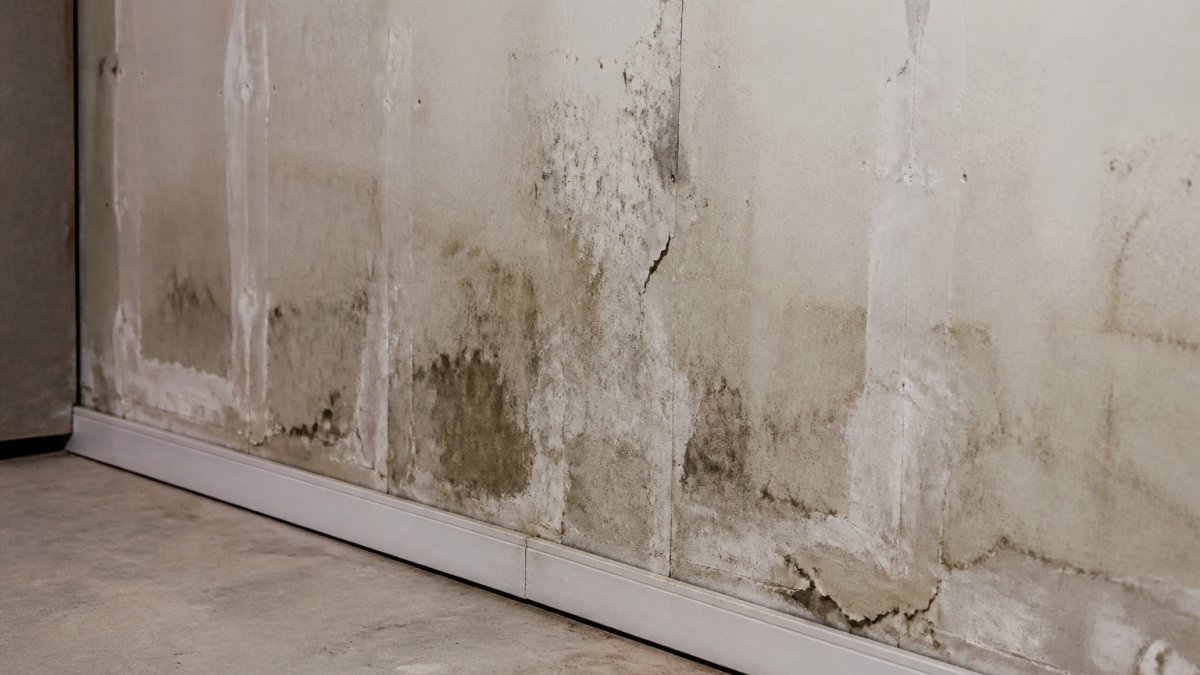
Water stains or moisture appearing during the project are red flags. If moisture shows up after work begins, the contractor either didn’t address it properly or created new moisture problems.
Electrical and plumbing work should meet code. You won’t know this as a homeowner, but you can ask the contractor to explain their work and point out how it meets local code.
Subcontractors showing up without proper identification or appearing disorganized is a warning sign. Professional subcontractors introduce themselves, explain their work, and conduct themselves professionally. Transient or disorganized crews suggest the main contractor isn’t managing the job.
What to Do If a Contractor Does Poor Work
If you identify poor workmanship during the project, document it immediately. Take photos and videos with dates and timestamps. Write down what you observed and when. This creates a record you’ll need if disputes arise.
Address issues directly with the contractor in writing, email or text, not just verbal conversations. Describe the specific problem, reference the contract scope, and request correction within a specific timeframe. Written communication creates accountability and a paper trail.
If the contractor refuses to fix problems or becomes defensive, stop work immediately. Do not make further payments. Contact your state’s licensing board to file a complaint.
If the work is substantially incomplete or severely deficient, consult a construction attorney before taking further action. You may have rights to withhold payment, file a lien claim against the contractor’s license, or pursue damages.
If the contractor has bonded work, file a claim with the bonding company. The bond exists to protect you in situations where the contractor won’t or can’t complete work properly.
Request an independent inspection by a licensed home inspector or structural engineer if you’re concerned about major issues like waterproofing, electrical safety, or structural integrity. This gives you an objective assessment and documentation for any future claims.
Choosing the right basement renovation contractor determines whether your project becomes a source of pride or regret.
At Berry Basements, we prioritize a collaborative process that keeps you informed and involved throughout the project. If you’re ready to work with a contractor who values quality without cutting corners, get a free estimate from Berry Basements and see the difference professional management makes.
| Red Flag Category | What to Watch For | Your Action |
|---|---|---|
| Licensing & Insurance | No license, no liability insurance, no workers’ comp | Verify with state board; ask for insurance certificates |
| Contract Terms | Vague scope, large upfront deposit, no timeline | Require detailed written scope and milestone-based payments |
| Estimate | Price seems too low, vague line items, no site visit | Compare multiple estimates; ask how they arrived at the number |
| Communication | Hard to reach, vague timeline, pressure to decide fast | Choose contractors who respond promptly and explain clearly |
| Workmanship | Dirty jobsite, crooked framing, poor drywall finishing | Document issues in writing; stop work if major problems appear |
Frequently Asked Questions
What are the biggest red flags when hiring a basement renovation contractor?
The most critical warning signs include no valid license or liability insurance, vague or incomplete written contracts, reluctance to provide references, unusually low estimates, and poor communication. A bad basement contractor may also pressure you for large upfront deposits, avoid discussing permits and building codes, or show dismissive attitudes toward moisture and waterproofing, essential concerns in basement work. Always verify credentials with your state licensing board and ask for proof of workers’ compensation insurance before signing anything.
What should you include in a basement renovation contract to protect yourself?
Your basement renovation contract must include a detailed scope of work describing exactly what will be done, a complete project timeline with start and end dates, a payment schedule tied to project milestones (not large upfront deposits), change order procedures, warranty terms for workmanship, and proof that permits will be obtained. It should specify how the contractor will handle moisture management and waterproofing, address site safety and cleanup responsibilities, and name all subcontractors involved. Never sign a contract with vague language, missing payment terms, or no warranty clause. Review it with a local attorney if you’re unsure.
How can you spot problems in a basement remodeling estimate?
Red flags in a basement remodeling estimate include missing line items, vague descriptions like ‘labor’ without detail, no breakdown of materials versus labor costs, unusually low pricing compared to other quotes, and no mention of permits or inspections. A poor estimate ignores basement-specific challenges like waterproofing, moisture barriers, or foundation issues. Watch for estimates that lump everything into one price or fail to address HVAC, plumbing, or electrical work. Request itemized quotes from multiple contractors so you can compare apples to apples. A legitimate estimate should explain what’s included and why costs are what they are.
What should you do if your basement contractor stops communicating or does poor work?
Document everything immediately: take photos, save emails, and record dates of missed deadlines or poor workmanship. Contact the contractor in writing (email or certified mail) describing the issues and requesting a response within 7 days. If they don’t respond, file a complaint with your state’s licensing board and report them to the Better Business Bureau. Review your contract for dispute resolution and warranty clauses. If work is unsafe or violates building codes, contact your local building inspector. For financial protection, consult a lawyer about liens, contract breach, or small claims court. Keep all receipts and communication records as evidence.