

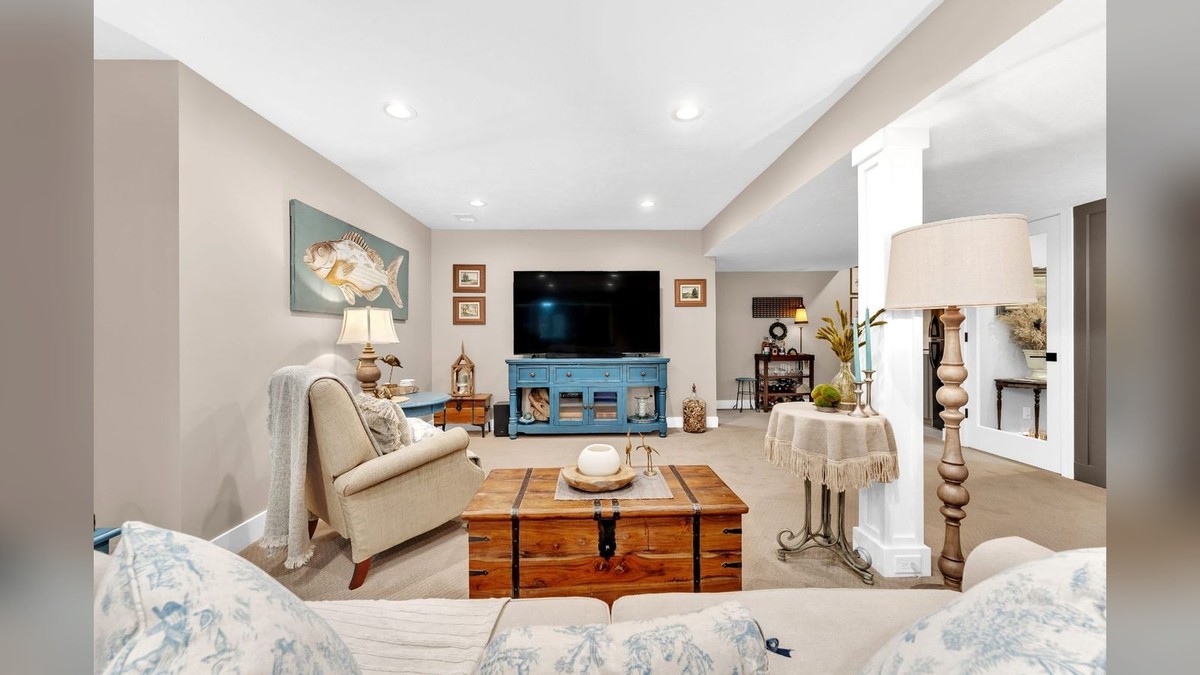
Yes. A finished basement needs at least one smoke alarm, more alarms around any bedroom, and a carbon monoxide alarm when fuel-burning equipment shares the space. Alarm placement belongs in every basement finishing plan from the first sketch.
As Jenison, MI basement contractors, we mark alarm spots on the floor plan before the framing goes up.
Here's what to know about finished basement smoke alarms and CO alarms.
Every Level Gets a Smoke Alarm
The U.S. Fire Administration recommends smoke alarms on , and it names the basement directly. Once the lower level becomes living space, people spend real time down there.
A finished basement often holds a family room, a gym or a theater. Smoke from a fire in any of those rooms should reach an alarm quickly.
Bedrooms Add More Alarms
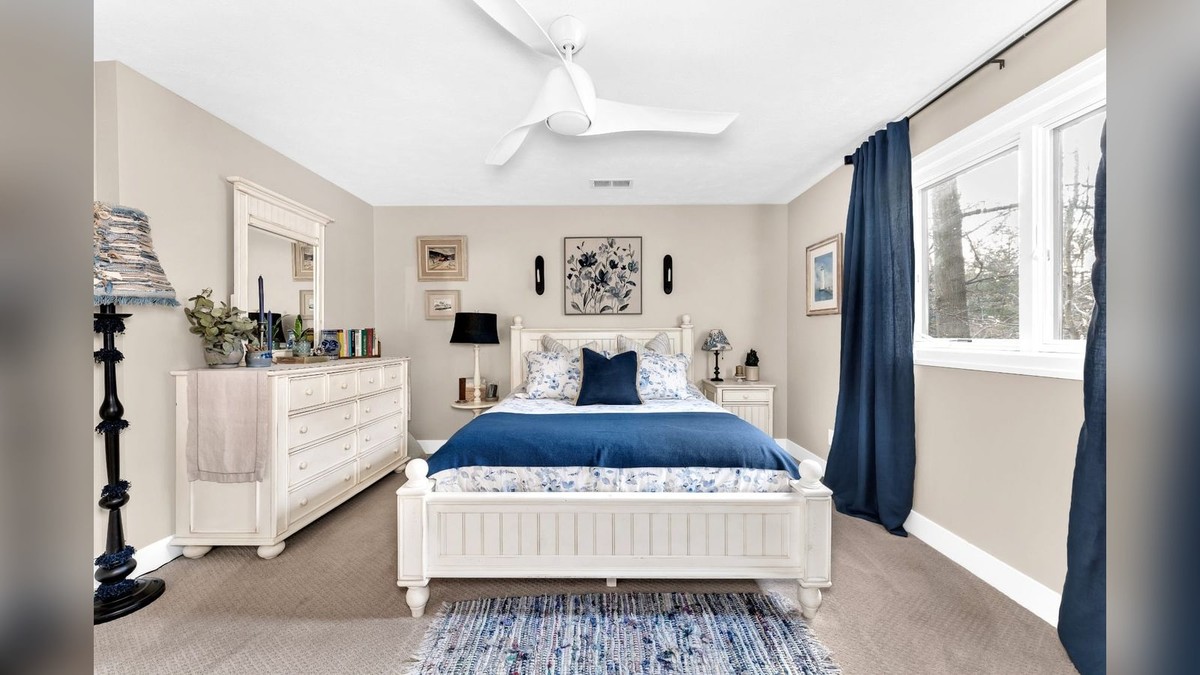
A sleeping room changes the count. USFA guidance puts alarms inside each bedroom and outside each sleeping area, so a single hallway alarm is not enough.
If you plan to add basement bedrooms, alarms join the escape window and ceiling height on the checklist. These requirements for a basement bedroom cover the rest.
Why CO Alarms Matter Downstairs
Many basements hold the furnace and water heater. Carbon monoxide is colorless and odorless, and USFA notes it can build up when a fuel-burning appliance is not working or .
USFA advises CO alarms outside each separate sleeping area and on every level. If you are finishing around a furnace, this guide to building around existing HVAC shows how we plan the mechanical area.
Interconnected Alarms Sound Together
Interconnected smoke alarms talk to each other. When the basement alarm sounds, the alarms upstairs sound too.
That matters because a fire in the basement can start while everyone sleeps two floors up. Open walls during a finish make it a practical time to run wiring for connected alarms.
Alarm Locations Go on the Plans
Building departments often want to see alarm spots before they issue a permit. The Muskegon Charter Township basement checklist asks drawings to show next to the furnace and water heater.
Missing details on a drawing can stall a project. Our notes on basement permit delays list other items that slow approval.
Mounting and Testing Tips
USFA advises mounting smoke alarms on the ceiling or high on a wall. Check the maker's instructions for the best spot, since recommended placement can vary by model.
After the project wraps, test every alarm monthly. Hardwired units still carry a backup battery that needs a yearly swap.
Frequently Asked Questions
Do basement smoke alarms need to be hardwired?
Your building department decides what a finished basement must have, so ask before you buy alarms. Hardwired alarms with a battery backup are common in new finished space because the walls are open during framing.
The U.S. Fire Administration notes that only qualified electricians should install hardwired smoke alarms. Battery models run on a 9-volt or a sealed 10-year battery.
What type of smoke alarm works best in a basement?
A dual-sensor alarm, or a mix of ionization and photoelectric alarms, covers the most kinds of fires. Ionization and photoelectric sensors detect different types of fires, and nobody can predict which one might start.
The U.S. Fire Administration recommends that every home and sleeping area have both types or dual-sensor alarms. Interconnected models add more protection across floors.
How long do smoke alarms last before they need replacing?
Smoke alarms should be replaced 10 years from the date they were made. USFA notes that smoke alarms do not last forever, even when they still seem to work.
Check the date printed on the back of each alarm when you finish your basement. Hardwired alarms also need a fresh backup battery at least once a year.
Does Berry Basements handle the permits for a basement finish?
Yes. Berry Basements obtains the necessary building permits before work begins, so the finished space is legal and up to code.
Permits are one of the three main cost factors in every finishing project, along with labor and materials. Alarm locations, outlets and room uses are all planned before the permit application goes in.
Which West Michigan communities does Berry Basements serve?
Berry Basements finishes and remodels basements across Greater Grand Rapids. The service area includes Allendale, Byron Center, Caledonia, Holland, Hudsonville, Jenison, Rockford, West Olive and Zeeland.
Each community has its own building department and inspection schedule. Call Berry Basements at (616) 250-9171 to check whether your home falls inside the area.
Plan a Safer Finished Basement
Smoke and CO alarms take little space, yet they shape the plan as much as walls and lighting. Every room on our list of basement services gets an alarm plan before the drywall goes up.
Talk with our Jenison, MI basement finishing team about your lower level. Call Berry Basements today at (616) 250-9171 or request a free estimate online.